Sinus Augmentation for Dental Implants
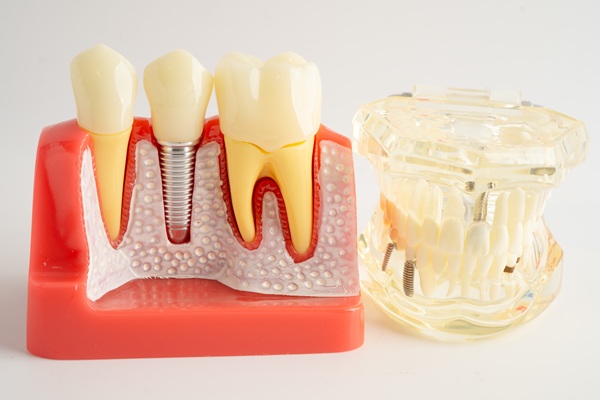
Dental implants are a great option to replace missing or extracted teeth, but unfortunately, not everyone is a viable candidate. One obstacle that can stand in the way of them is a lack of bone support in your upper jaw. This is because your jawbone needs to be sturdy enough to support the titanium involved in the procedure. A sinus augmentation is a surgery that can correct this by adding extra bone.
Dental implants: who needs them?
In general, you may need them if you’re missing teeth or need to get teeth extracted. Gum disease has the potential to loosen teeth and may require them to be pulled. Tooth decay can also cause irreparable damage.
However, they are not recommended for everyone, as some may have experienced bone loss. This can occur in tandem with gum disease and tooth loss, as it is even possible that bone is absorbed into your body after you lose a tooth. This is when a sinus augmentation is an option. It can help to rebuild and strengthen the bones in your upper jaw so that they can support the necessary implants.
How does sinus augmentation work?
First, X-rays will be taken of your jaw to ensure that you are a candidate and determine where the extra bone will come from. It may be taken from your body, a cow, or even a cadaver. Once everything is determined, the surgery can proceed.
First, the gums in your upper jaw must be cut to expose the bone under them. Then, the bone itself will be cut into, and bone graft will be placed in the hole. Lastly, the cut will be closed. Afterward, it will take one to three months for the new bone to properly attach to the old bone and the surrounding area to heal. Once the healing process is complete, you will get dental implants on your upper jaw.
What should you expect after the surgery?
Some pain, swelling, and discomfort are expected with any surgery. Bleeding from your mouth and nose is also possible. However, symptoms are usually mild. You should also try not to blow your nose often afterward. This can loosen stitches and cause complications.
You will likely be prescribed a painkiller, antibiotics, an anti-inflammatory, and a saline spray to keep your nasal cavity wet. You will also have a follow-up appointment about a week after the surgery to remove stitches and examine the healing process.
The risks of the surgery itself are minimal. Infection is possible but rare. Your sinus membrane may also be torn, but this can usually be stitched back together. It is also possible that the graft does not properly merge with your bone, and the surgery must be repeated.
If you experience long-term swelling, pain, or bleeding or worry that the graft may have dislodged, be sure to contact your dentist so they can evaluate you. Ultimately, the chance of complications is rare, and the surgery is safe.
Speak with your dentist
The best way to know if sinus augmentation is a solution for you is to talk with your dentist. Call today to schedule your appointment. Your dental team is excited about helping you get the treatment you deserve.
Request an appointment here: https://www.centervilleohdentist.com or call Restorative Family Dental: Dr. Angy Mounir-Toufils D.M.D. at (937) 329-9890 for an appointment in our Centerville office.
Check out what others are saying about our dental services on Yelp: Dental Implants in Centerville, OH.
Related Posts
Cosmetic dentists know that a beautiful smile goes beyond the appearance of the teeth. When too much of the gums show through when smiling, even perfect teeth can appear unusually short or small. Similarly, an uneven gumline may create an asymmetrical look that detracts from an otherwise beautiful smile. If you are unhappy with how…
Dental bridges and implants are two effective, natural-looking ways to replace missing teeth. Bridges are often best for replacing multiple teeth, while implants can replace one or several teeth. However, it is not always an either-or situation. Using bridges and implants together can restore a patient’s smile to its full function. For many, it comes…
Have you ever considered a smile makeover because you want to completely transform how your teeth and gums look? This popular process includes various treatments that target enhancing the way that your smile appears. There are all kinds of resources that dentists can offer those desiring such a transformation. Keep reading to learn more about…
An emergency dentist can help correct your cracked tooth. The damage can reach the pulp cavity or even the jawbone. It can cause terrible pain that needs immediate resolution. Here are the details about how an emergency dentist can help your cracked tooth.A dental crack may reach the pulp cavity. This is a severe dental…