Types of Dental Bone Grafts
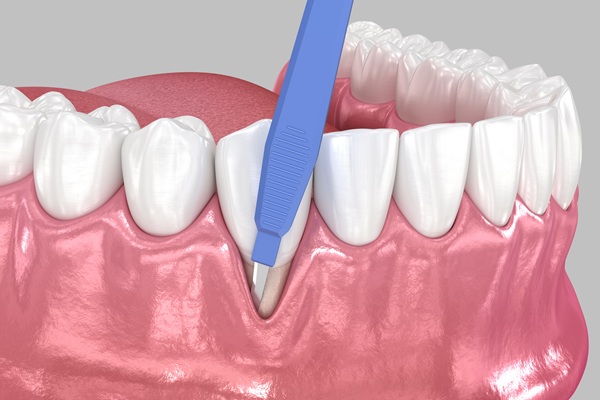
Dental bone grafts restore structure and strength to the jawbone. Not only does this enhance the natural appearance of the face, but it can also create a strong foundation for dental implants. There are several types of dental bone grafts that an oral surgeon may recommend. Exploring the various types available can better prepare patients for their consultation appointment with an oral surgeon.
Types of dental bone grafts
An oral surgeon will assess the patient's jawbone and medical history when determining which dental bone graft type best suits their needs. Explore the four types below.
Autografts
Autografts are dental bone grafts sourced from another part of the patient’s body, such as the chin, jaw, or hip. These grafts are highly effective due to their compatibility with the patient’s body, which reduces the risk of rejection. Since they contain living cells, they also promote natural bone regeneration.
Allografts
Allografts are derived from human donors, usually donated to a bone bank. These grafts promote new bone growth while eliminating the need for an additional surgical site. Note that the donated bone undergoes rigorous processing and sterilization to ensure patient safety.
Xenografts
Xenografts use bone material sourced from animals — most commonly from cows (bovine) or pigs (porcine). Again, the dental bone graft is thoroughly processed to ensure it is biocompatible, sterile, and safe. Keep in mind that this type of graft is typically used as a scaffold to support new bone growth, making it ideal for larger grafting needs.
Synthetic bone grafts
Synthetic dental bone grafts are created using biocompatible materials, such as calcium phosphate or bioactive glass. They mimic natural bone and stimulate the body's ability to regenerate bone tissue. As such, they are a versatile and widely available option for patients seeking alternatives to natural bone sources.
Choosing the right type of dental bone graft
Choosing the right type of dental bone graft involves considering the patient's overall health, the extent and location of bone loss, and the procedure's specific goals. Medical conditions or medications may influence the choice, with some patients benefiting from graft materials that reduce the risk of rejection or infection, such as autografts. Severe bone loss may require more substantial grafting options, such as xenografts or synthetic materials, to rebuild the jawbone structure effectively. The procedure's purpose, whether to prepare for dental implants or repair periodontal damage, is also a key factor in the decision-making process.
What about patient preference?
Personal preferences can further impact the choice of dental bone graft material. Some patients may prefer autografts sourced from their own bodies, while others might opt for non-animal-derived or synthetic options. An oral surgeon will consider all these factors and provide personalized recommendations to ensure the most effective and successful treatment outcomes.
Schedule a consultation with an oral surgeon
A dental bone graft can improve oral health and function, especially for those preparing for permanent tooth replacements. Ask an oral surgeon about your options in a consultation. Contact our Centerville team today to begin.
Request an appointment here: https://www.centervilleohdentist.com or call Restorative Family Dental: Dr. Angy Mounir-Toufils D.M.D. at (937) 329-9890 for an appointment in our Centerville office.
Check out what others are saying about our dental services on Yelp: Dental Bone Graft in Centerville, OH.
Related Posts
Dental crowns offer more than a cosmetic solution to fixing damaged teeth. They are a long-term investment in your oral health. While crowns are designed to be durable, they are not permanent and may need to be replaced in the future. By understanding the average lifespan of these dental restorations, you can protect your smile…
Finding the right dentist for your oral health needs can be difficult. Many questions may come to mind, such as whether a general dentist or a family dentist is the right choice. In this blog, we will discuss the differences between general and family dentists, helping to give you a better understanding of when to…
Besides ourselves, one other person plays a highly important role in maintaining our oral health, our general dentist. You see, the dentist is responsible for much of the work that goes into our mouths, and without them, most of us would be at a loss as to what to do to protect our teeth, tongue,…
Bad breath can feel uncomfortable and embarrassing, even more so when it does not seem to go away. If you are struggling with chronic bad breath, a general dentist can help. Many treatment options are available, some of which take place at home. In this article, we will explore the common causes of bad breath…